About Us

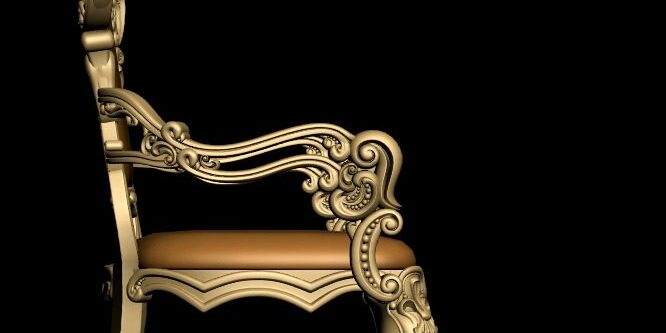
Our company provides professional 3D modeling services and handles a wide range of tasks – from simple technical parts to complex multi-component art objects.

Our Services

3D Modeling of Objects of Any Complexity.

We create accurate 3D models suitable for a wide range of manufacturing processes.

Our team ensures high geometric precision and full compliance with your requirements.

3D modeling of parts and assemblies, CAD engineering and design of molds and tooling, Reverse engineering, Preparation of CAD models

3D modeling of parts and assemblies

From simple components to complex products. Clear communication, transparent timelines, and guaranteed results.

3D modeling of parts and assemblies, CAD engineering and design of molds and tooling, Reverse engineering, Preparation of CAD models

Comprehensive Design Solutions for Art

Designing models for jewelry production based on client sketches. Processing 3D scan files of sculptures and art objects.

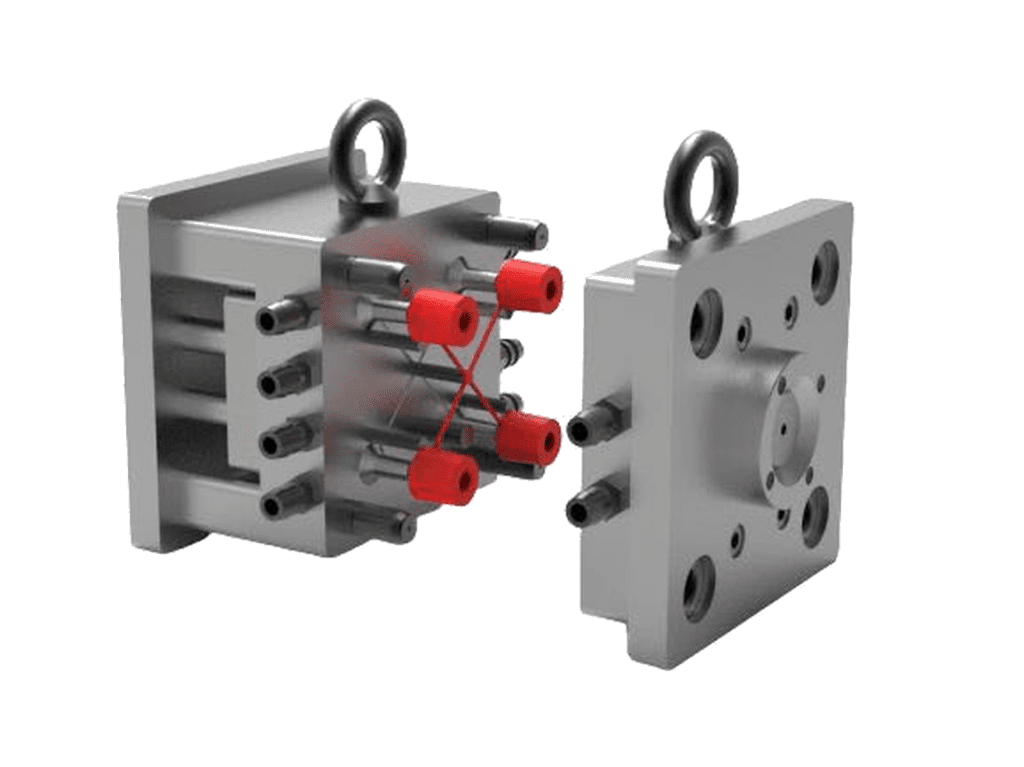
Design of Molds and Casting Equipment

We work based on your existing technical documentation or 3D models.

reverse

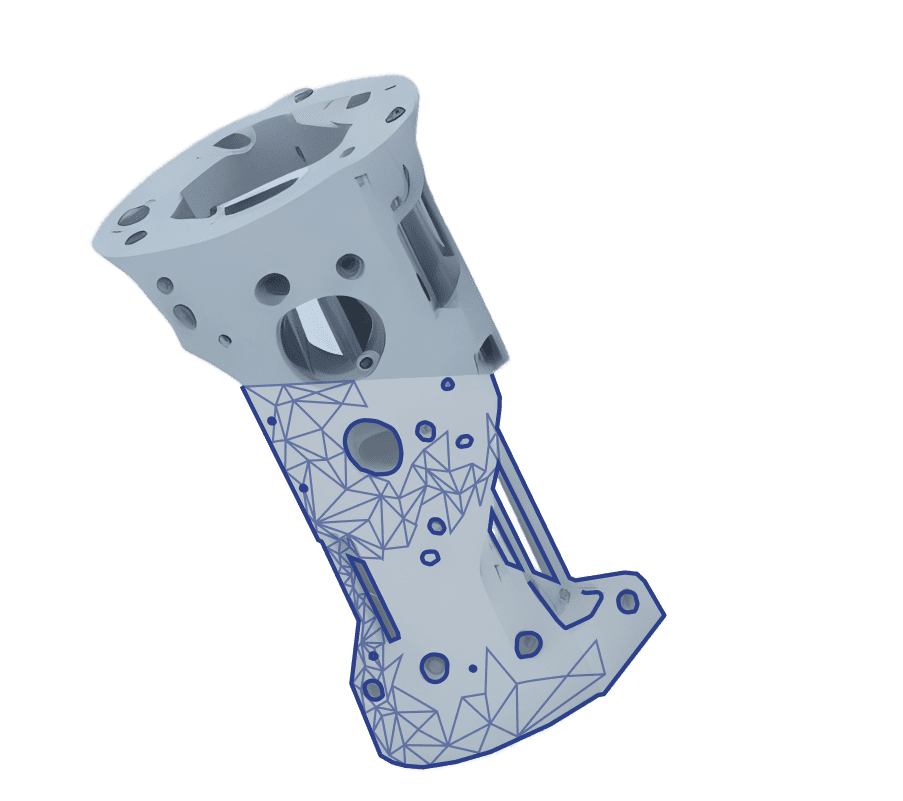
Reverse Engineering

Based on physical models, technical drawings, or 3D scanning.

3D modeling of parts and assemblies, CAD engineering and design of molds and tooling, Reverse engineering, Preparation of CAD models

Preparation of CAD Models

For single and mass production. We follow reliable engineering principles, considering manufacturing limitations and requirements.

3D modeling of parts and assemblies, CAD engineering and design of molds and tooling, Reverse engineering, Preparation of CAD models

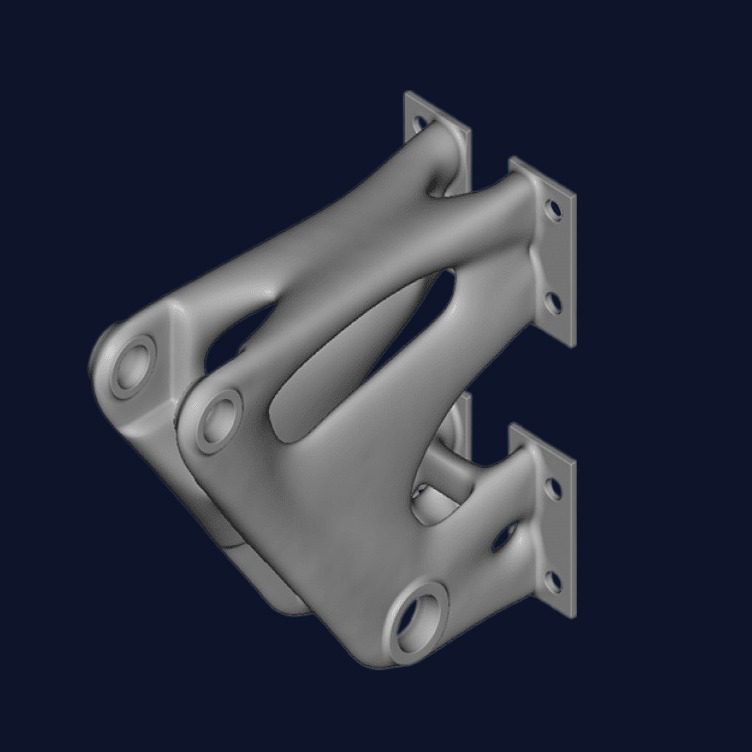
Optimization, Correction, and Revision

Of existing CAD and 3D models.

We work with professional CAD and 3D engineering software and deliver models in all common industry formats, including: STEP, IGES, STL, DXF, DWG, OBJ, 3DM, FBX, AMF, and others upon request.

FAQ

To create a solid CAD model suitable for manufacturing, it is necessary to provide technical drawings or a detailed sketch with all required dimensions.

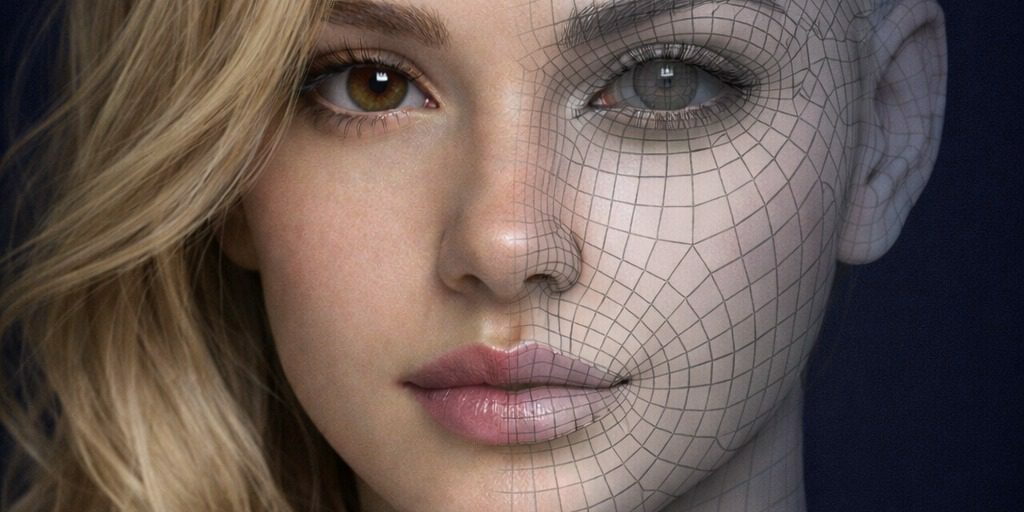
A 3D model can also be created from a physical sample of the product. In this case, our design engineers use optical or laser 3D scanning systems to capture a point cloud representing the coordinates of the object’s surface. Using this data, the geometry can be reconstructed in professional CAD software to generate an accurate digital model.

This process forms the basis of reverse engineering.

If a high-precision technical product is required — especially one with complex geometry, curved surfaces, radii, and multiple design features — creating an accurate model from photographs alone is generally not possible without dimensional data.

The exception applies to artistic 3D models, such as busts, figurines, or toys, where strict engineering accuracy and geometric precision are not critical.

The cost of 3D modeling depends on several factors, including:

• Whether 3D scanning is required and the complexity of the scanning process
• The complexity of the product’s design and geometry
• The level of engineering detail and accuracy required

Based on these factors, we provide an individual project assessment, including estimated cost and delivery timeline.

The most commonly used formats for 3D modeling results are:

STL and STEP

Upon request, we can also deliver models in other widely used industry formats, including:

IGES, Parasolid (X_T), and others.

Additionally, we can prepare technical drawings compliant with engineering documentation standards when required.

Yes. Modifications can be performed without significantly changing the core geometry or design concept of the product.

In many cases, the manufacturing technology or material selection may not yet be finalized. In such situations, we can adapt the 3D model to match the requirements of specific production methods such as 3D printing or casting.

Alternatively, we can provide engineering recommendations to the client’s design team regarding necessary adjustments — for example:

• increasing wall thickness
• adjusting tolerances and clearances
• modifying manufacturing allowances

Modern 3D modeling software allows engineers and designers to modify a wide range of parameters depending on project requirements. These include:

• object dimensions and proportions
• geometry and surface shape
• colors and materials
• lighting conditions
• viewing angles and perspectives

Advanced software tools also support animation and visualization, allowing engineers and designers to evaluate products from different perspectives and better analyze design solutions.

These capabilities are particularly valuable in architecture, interior design, and the development of complex mechanical components and assemblies.

3D digital models are used across many industries and technical fields.

Common applications include:

3D printing and additive manufacturing
CNC machining and milling
video game and virtual reality development
architecture and building design
interior and product design
animation and digital media

Other widely used fields include:

• construction and architectural projects
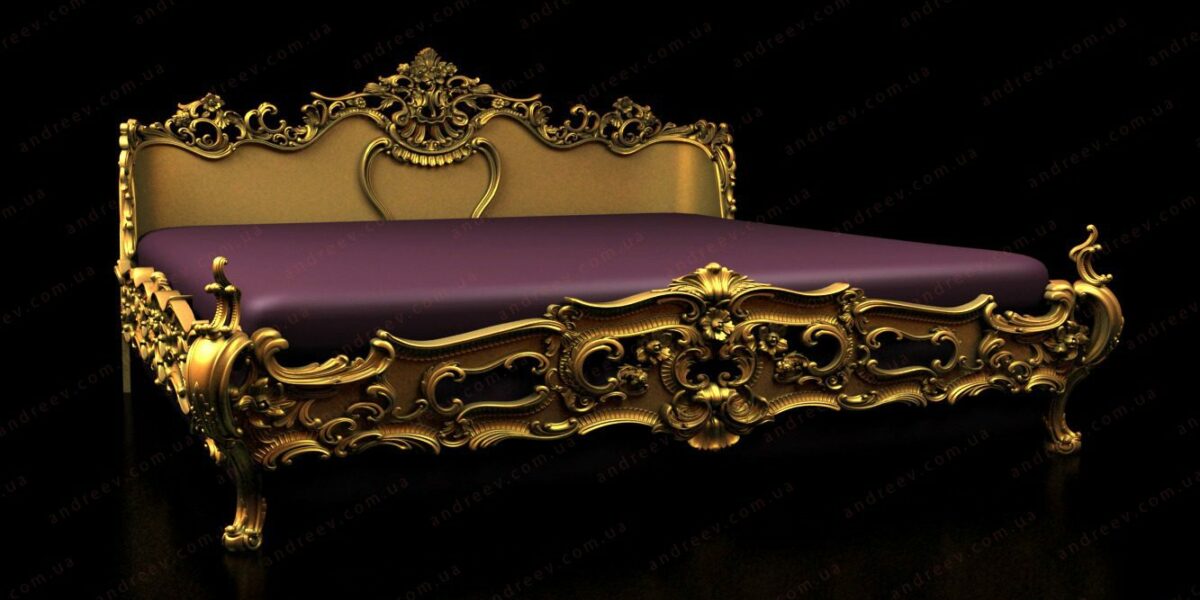
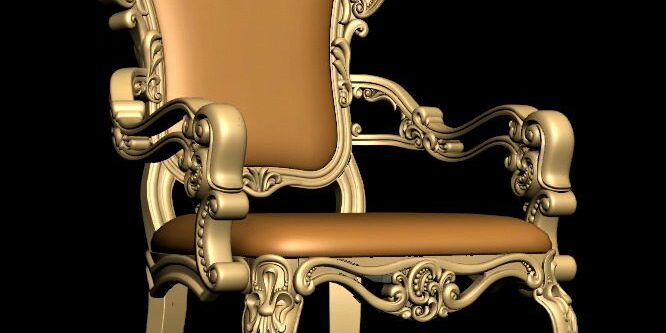
• furniture manufacturing
• industrial engineering
• digital sculpting
• advertising and product visualization
• medical and healthcare applications

Portfolio

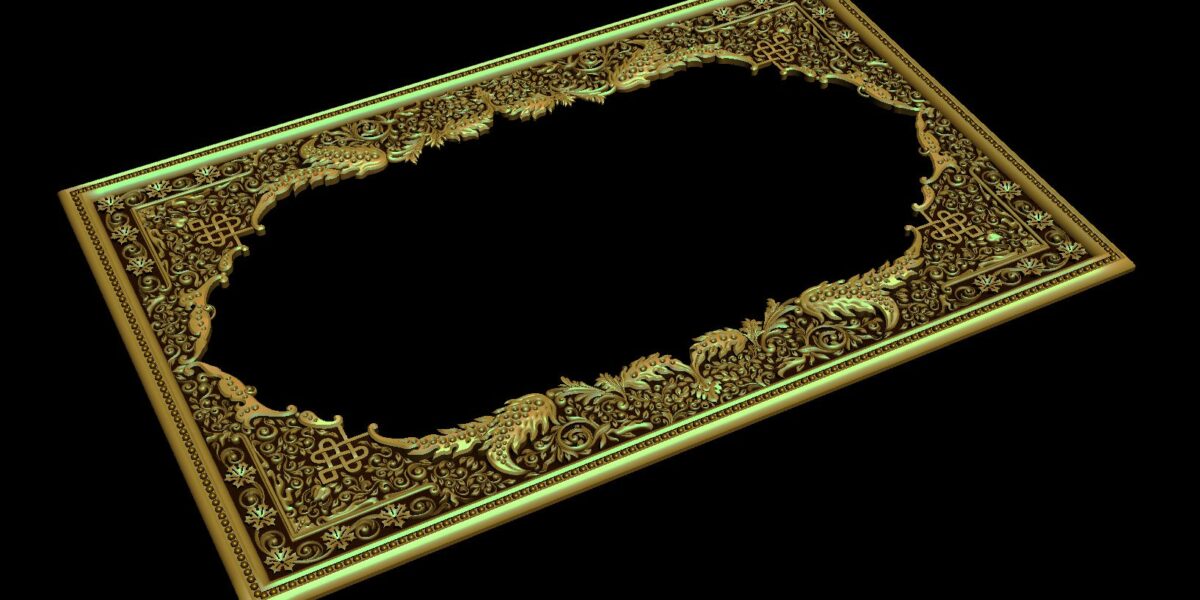
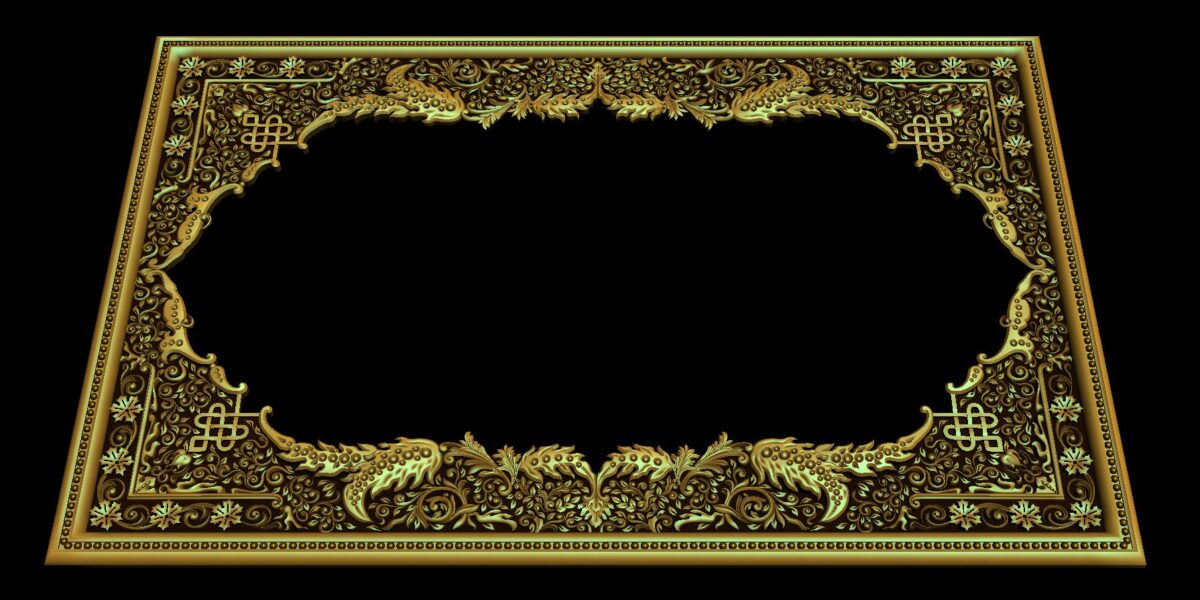
3D modeling for jewelry production

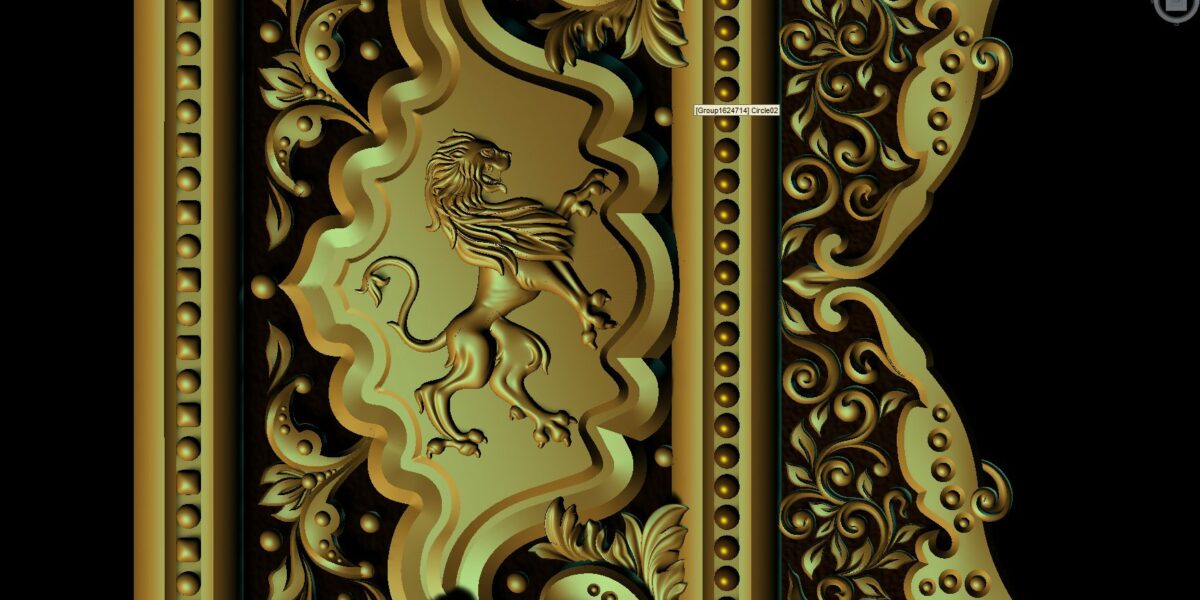
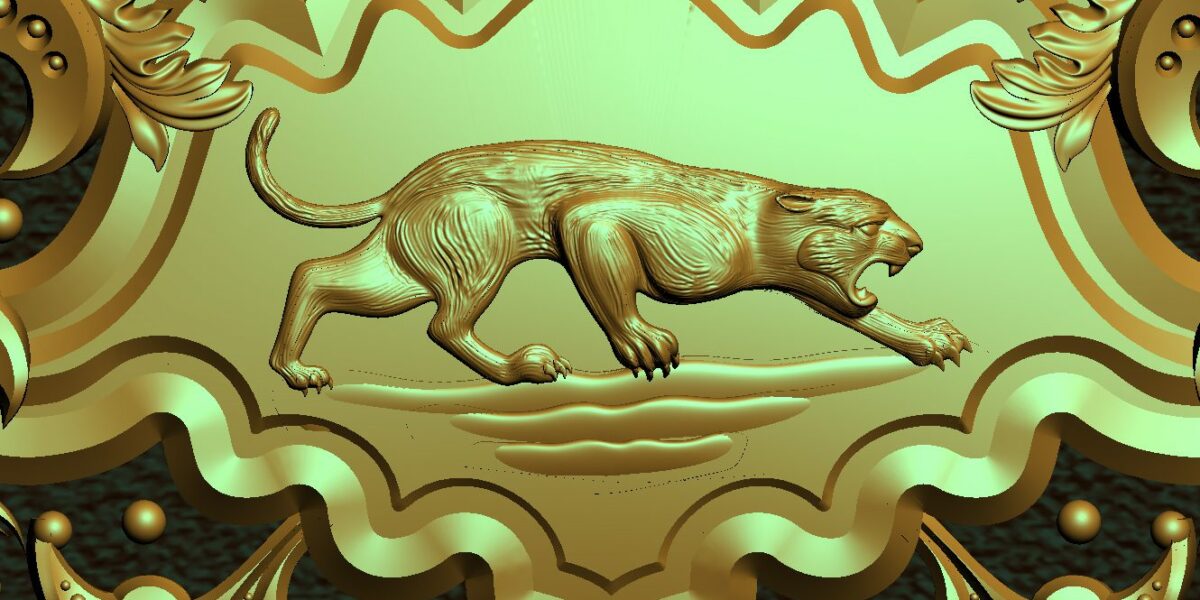
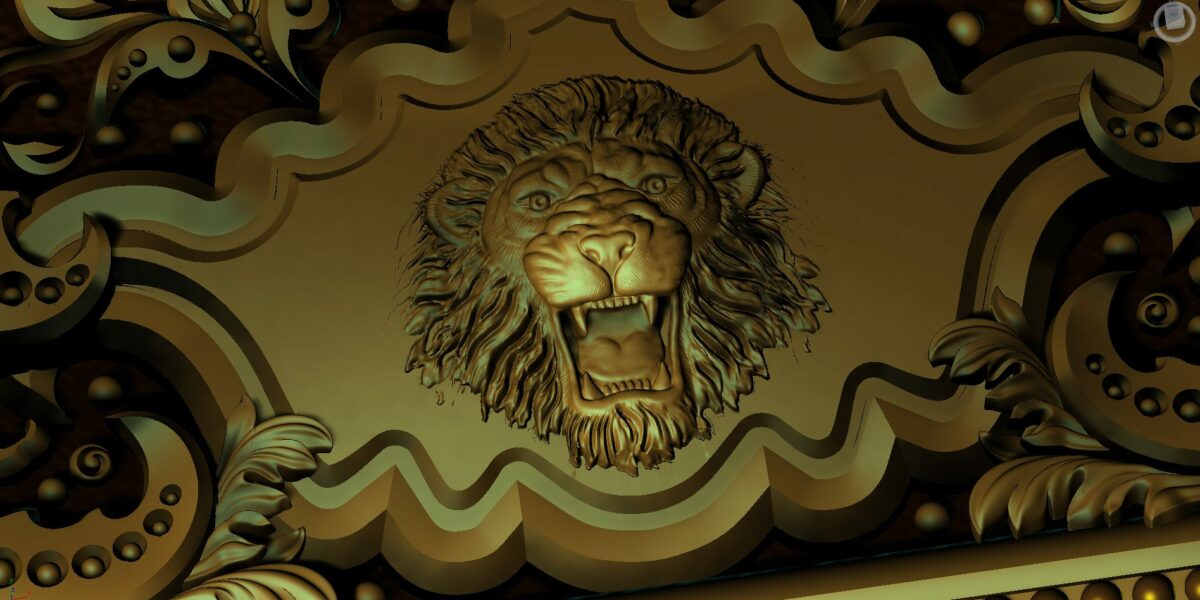
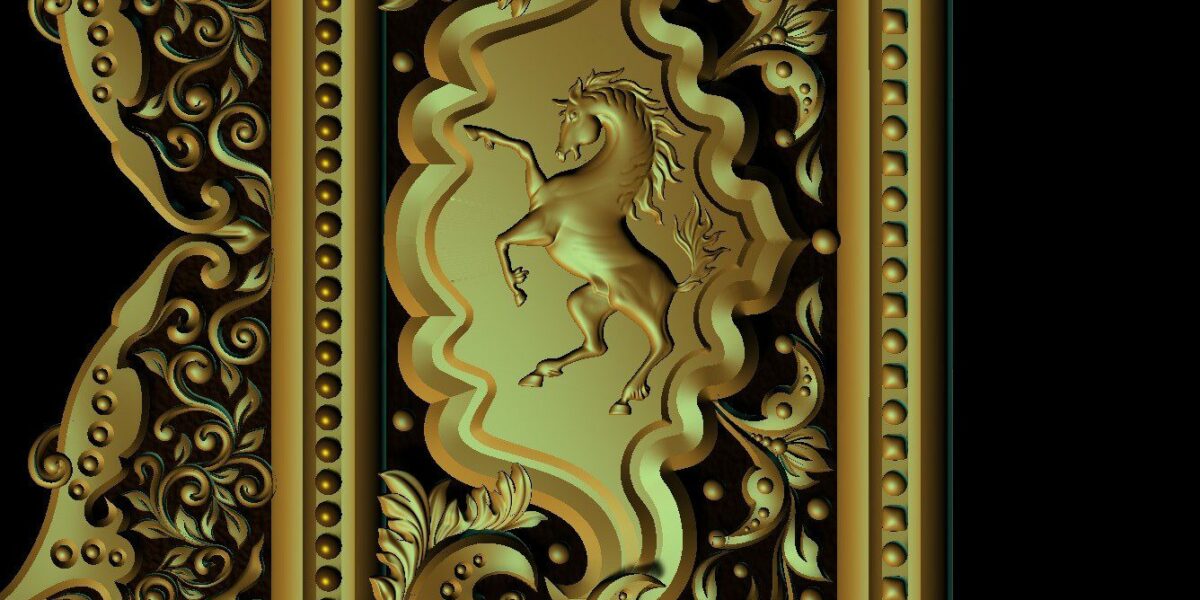
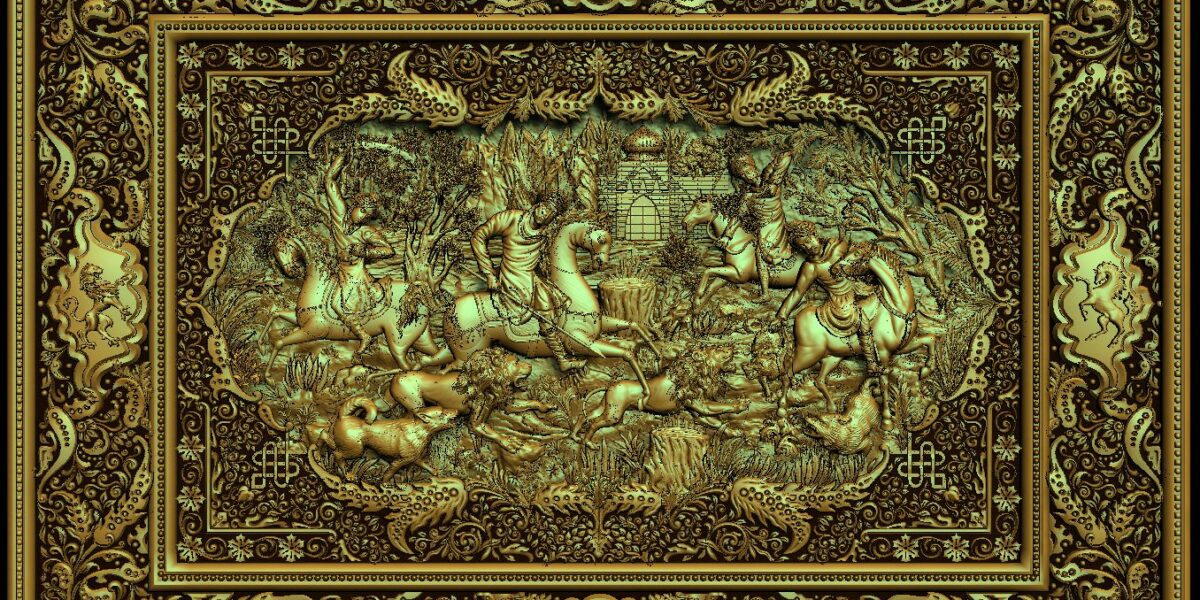
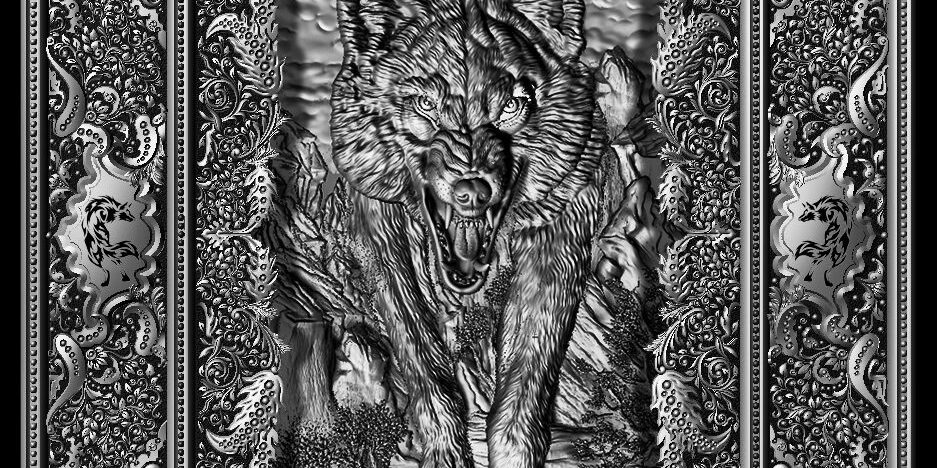
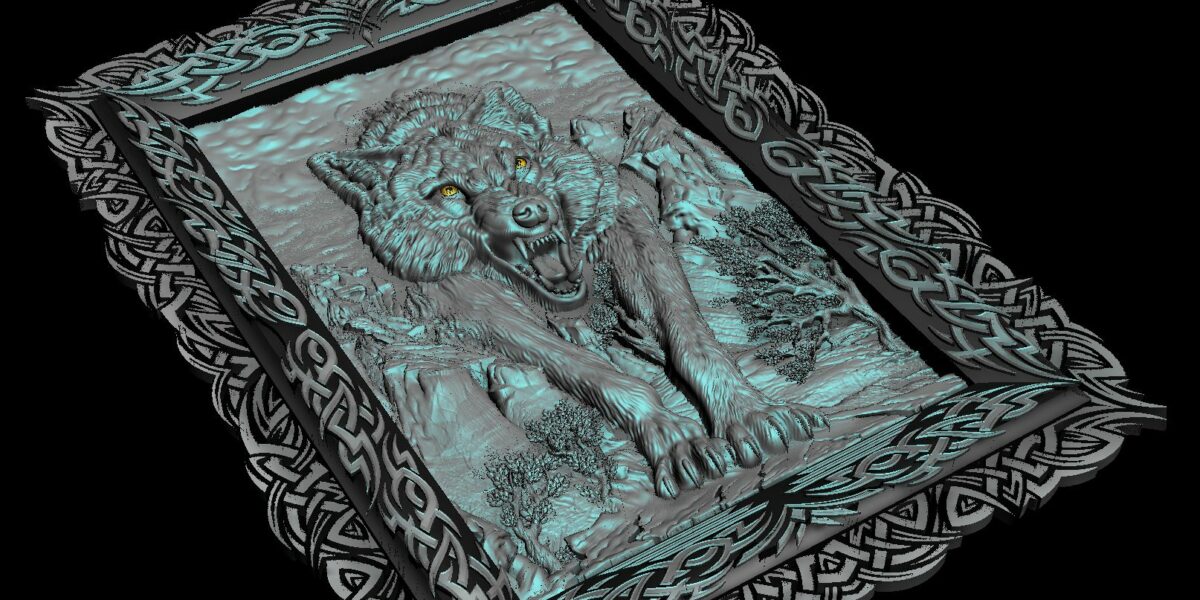
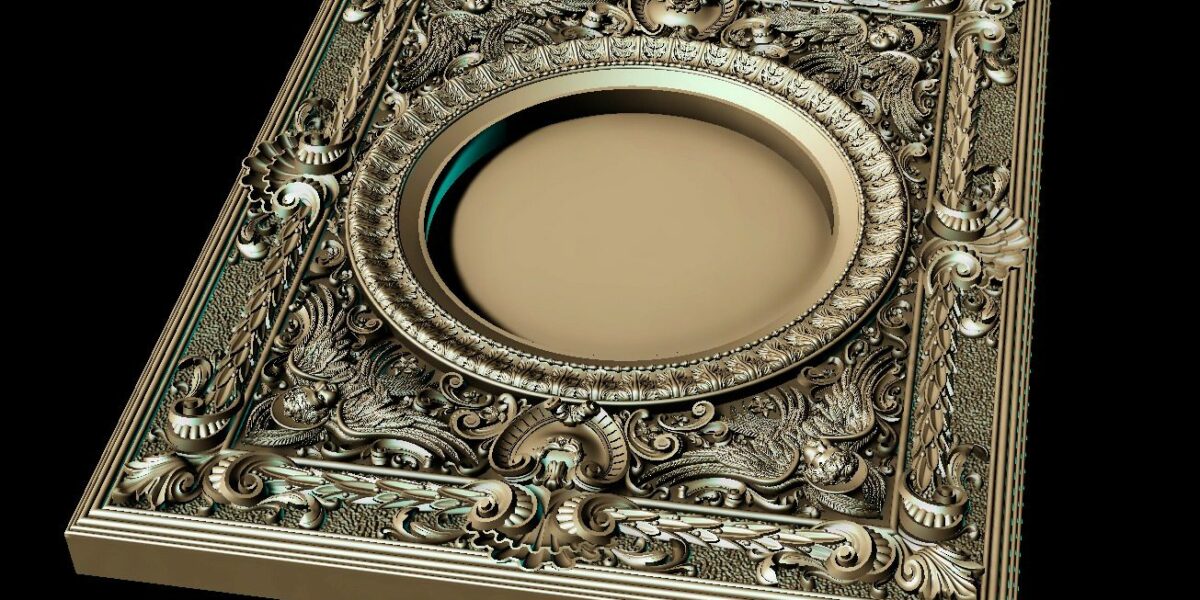
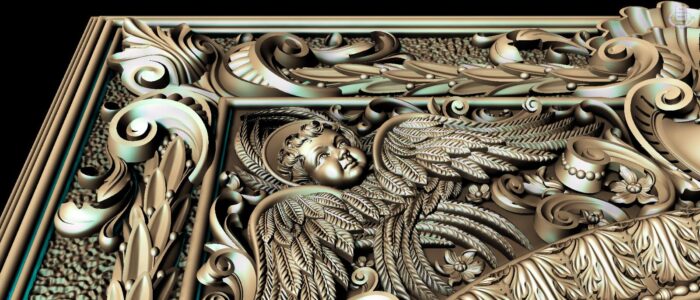
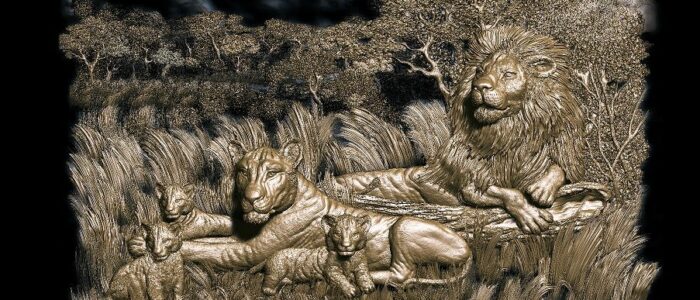
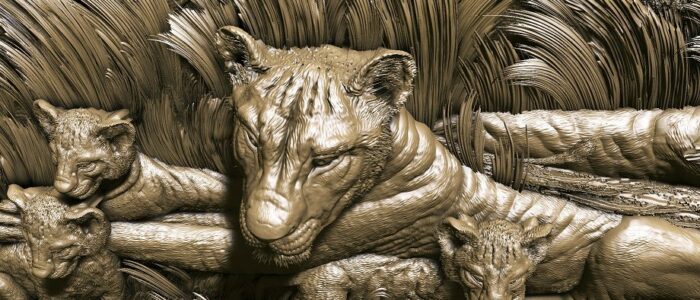
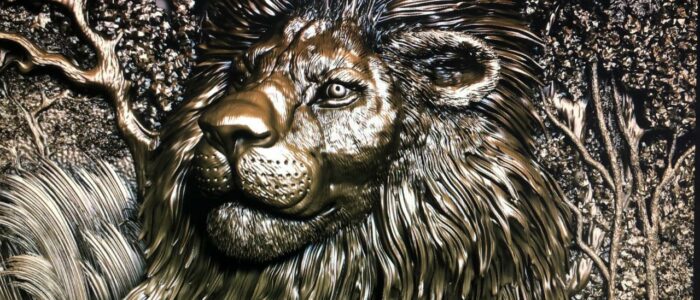
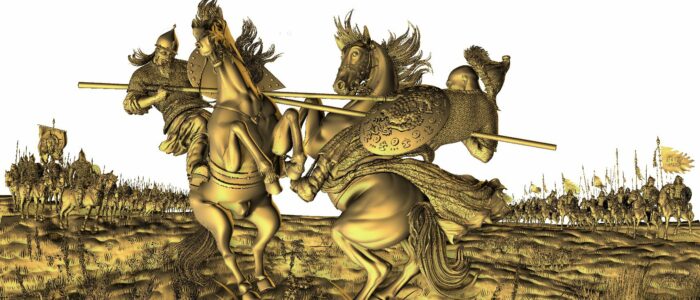
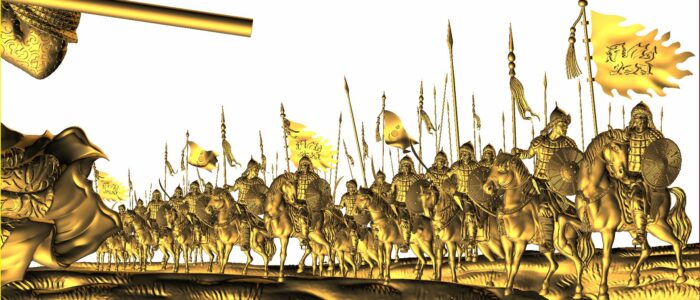
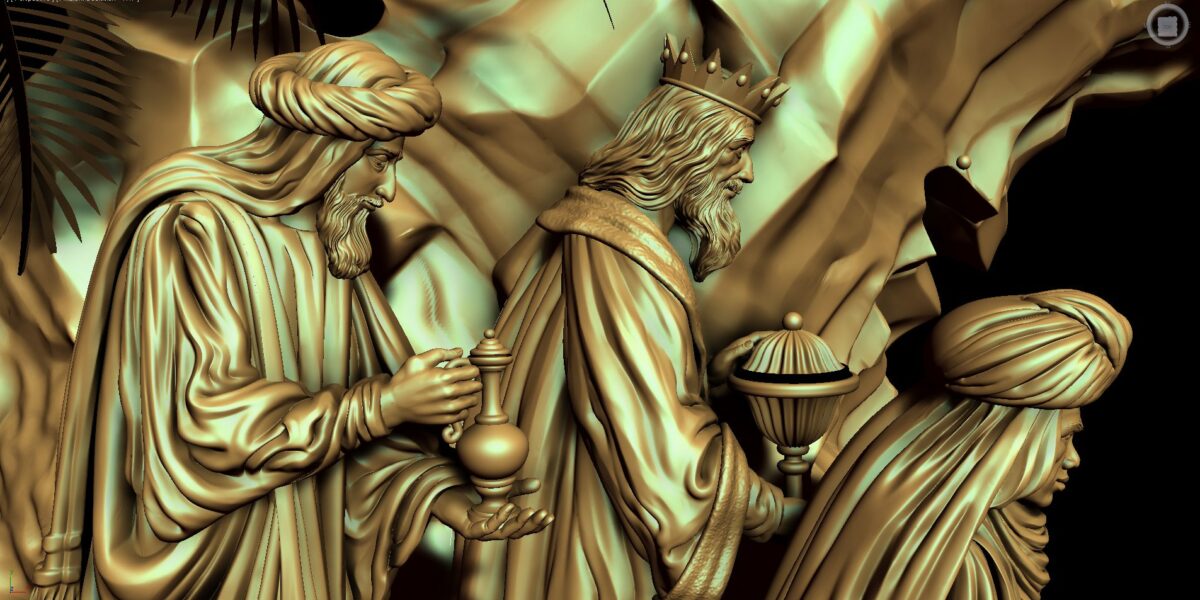
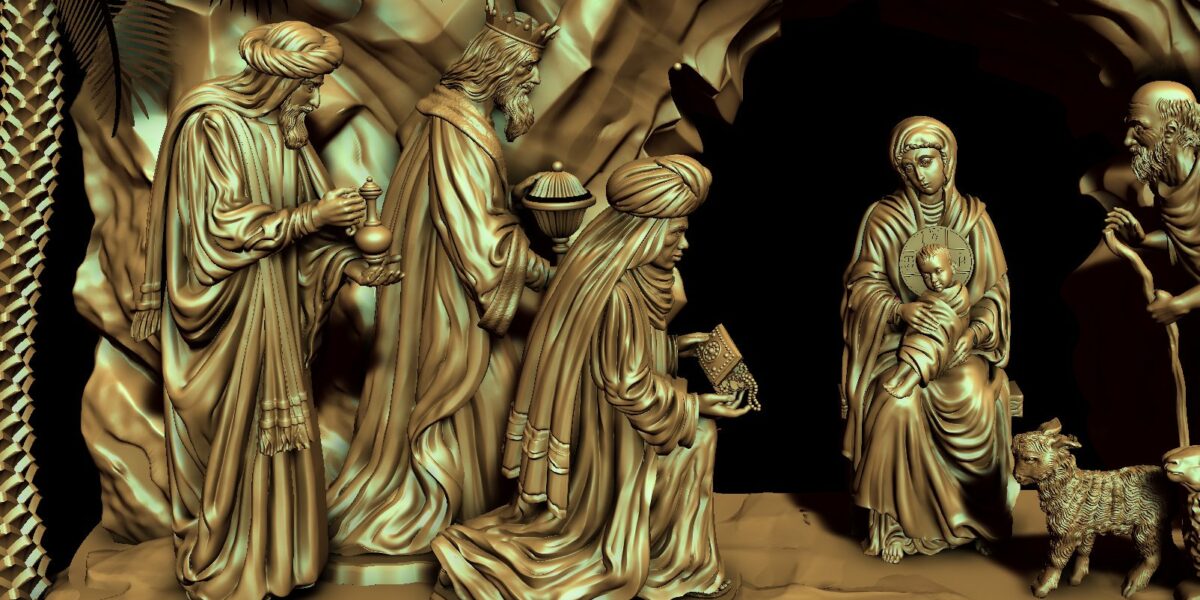
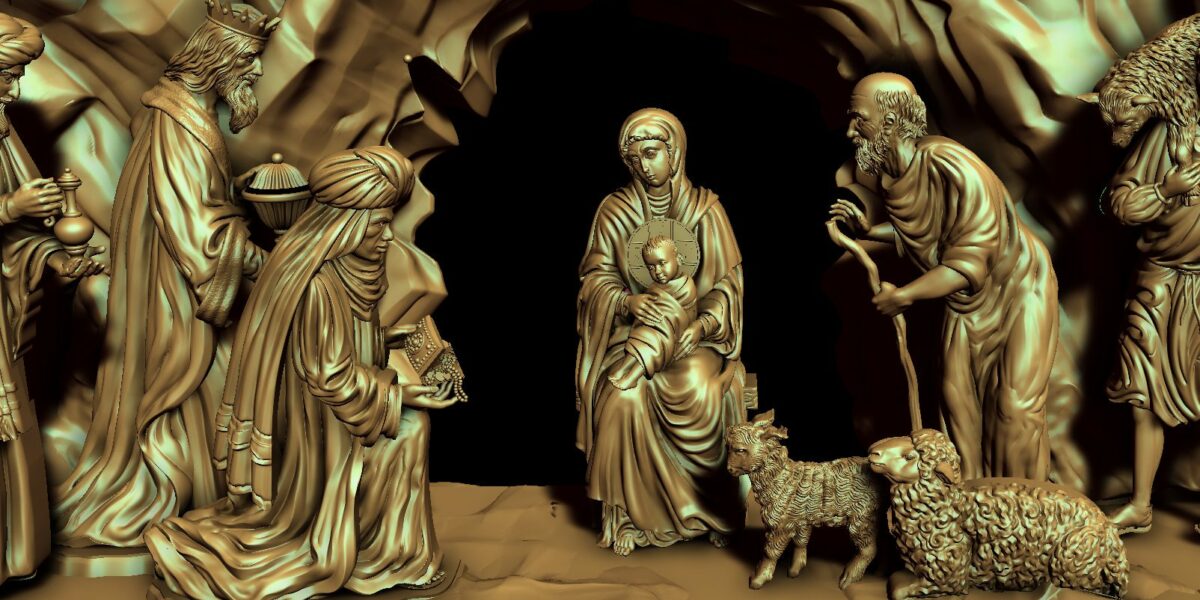
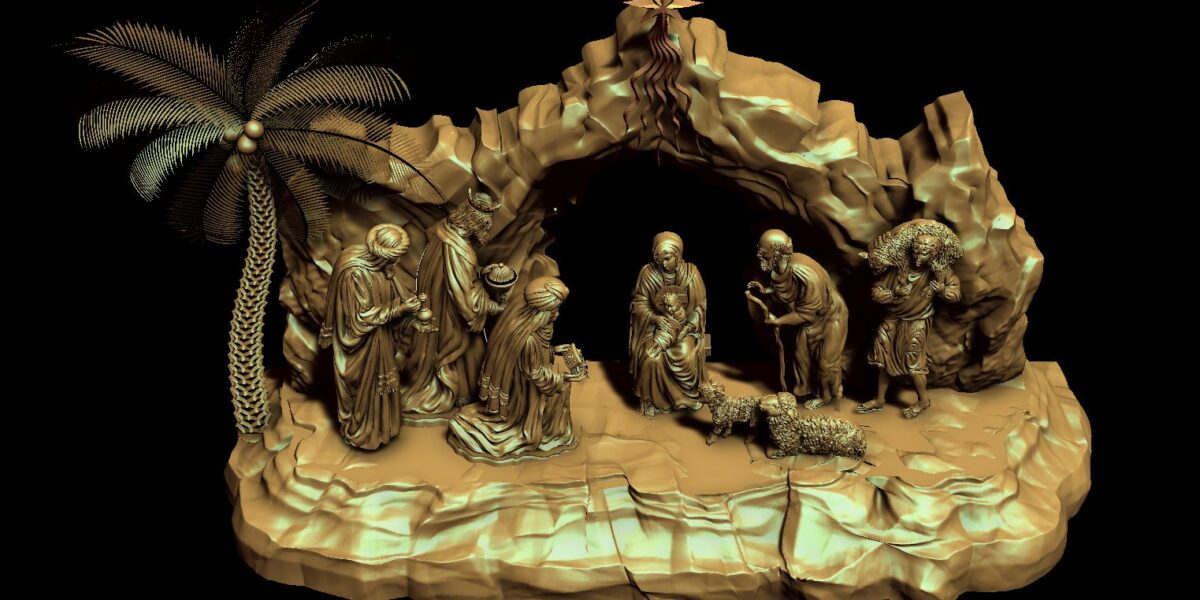
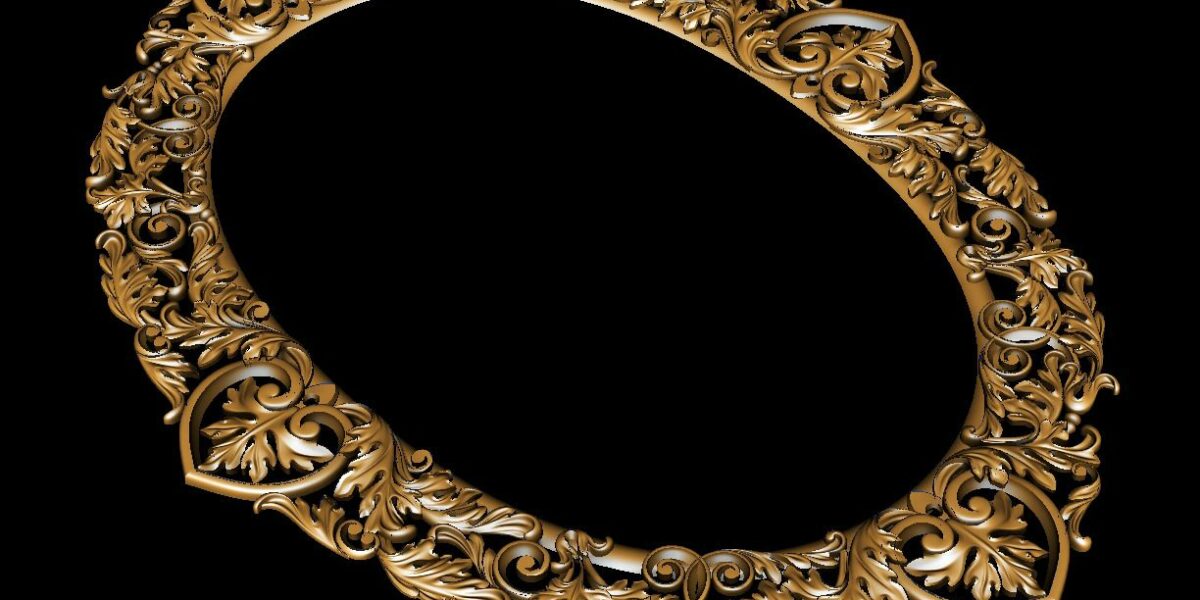
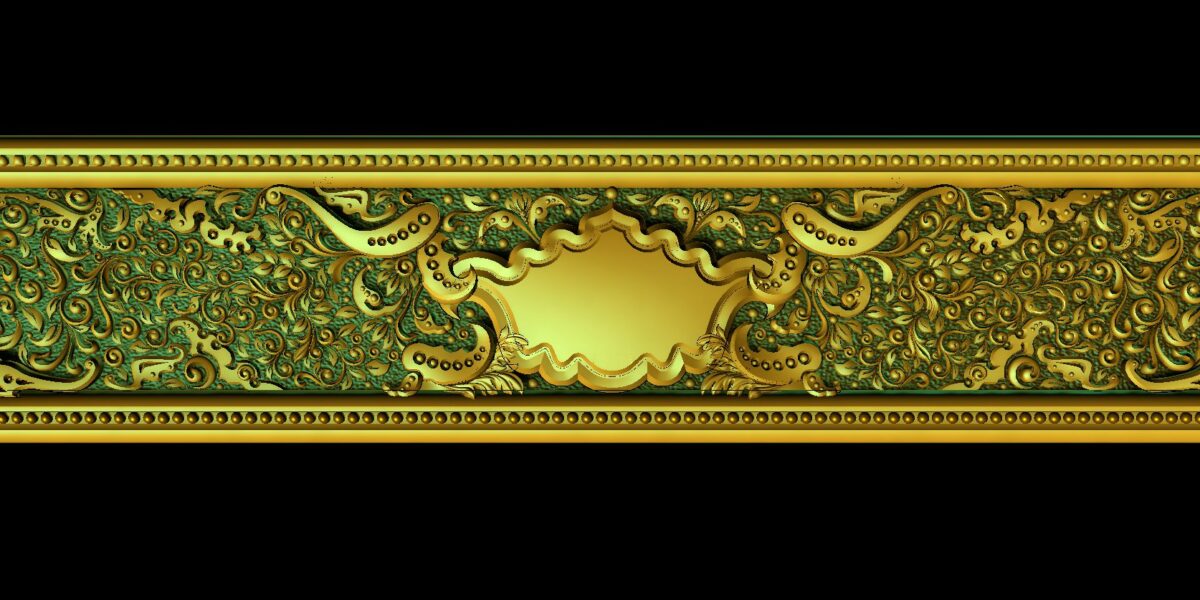
3D modeling for bas-reliefs

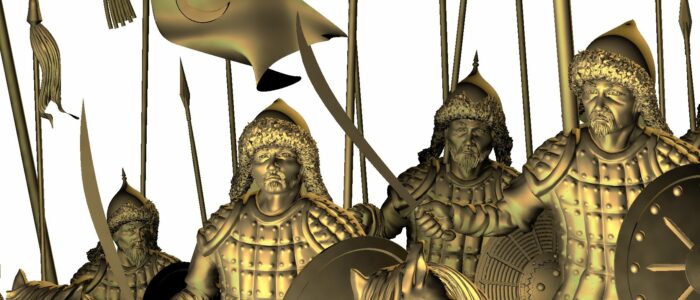
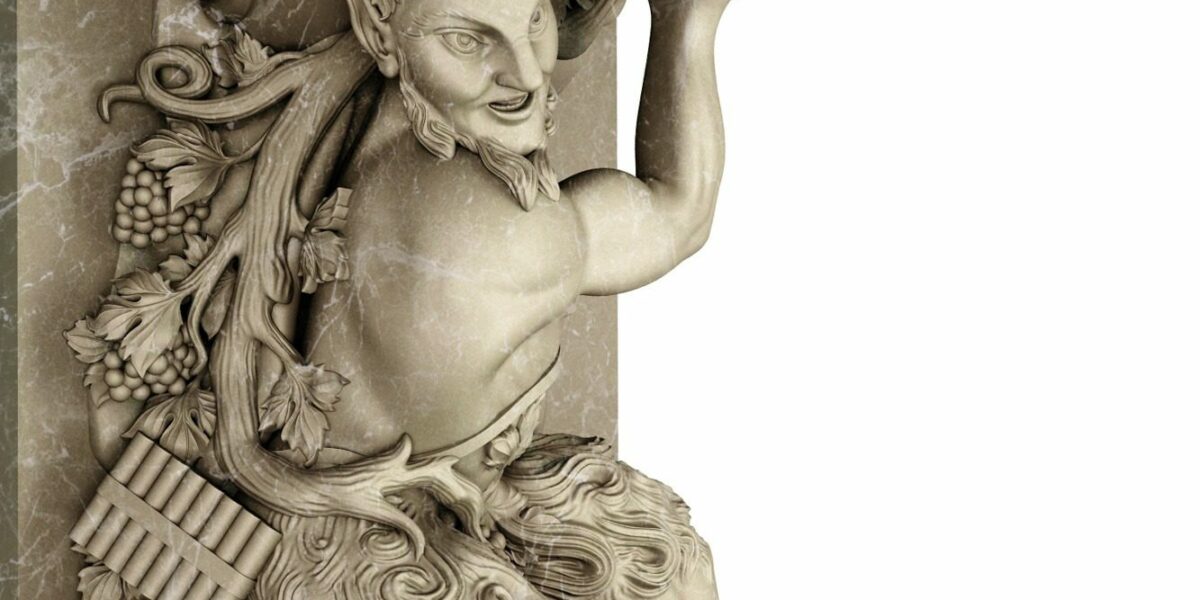
3D modeling for sculpting

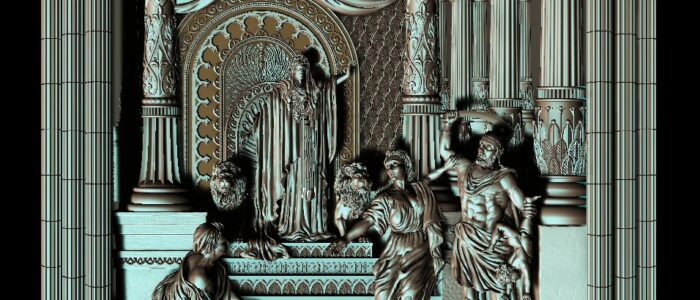
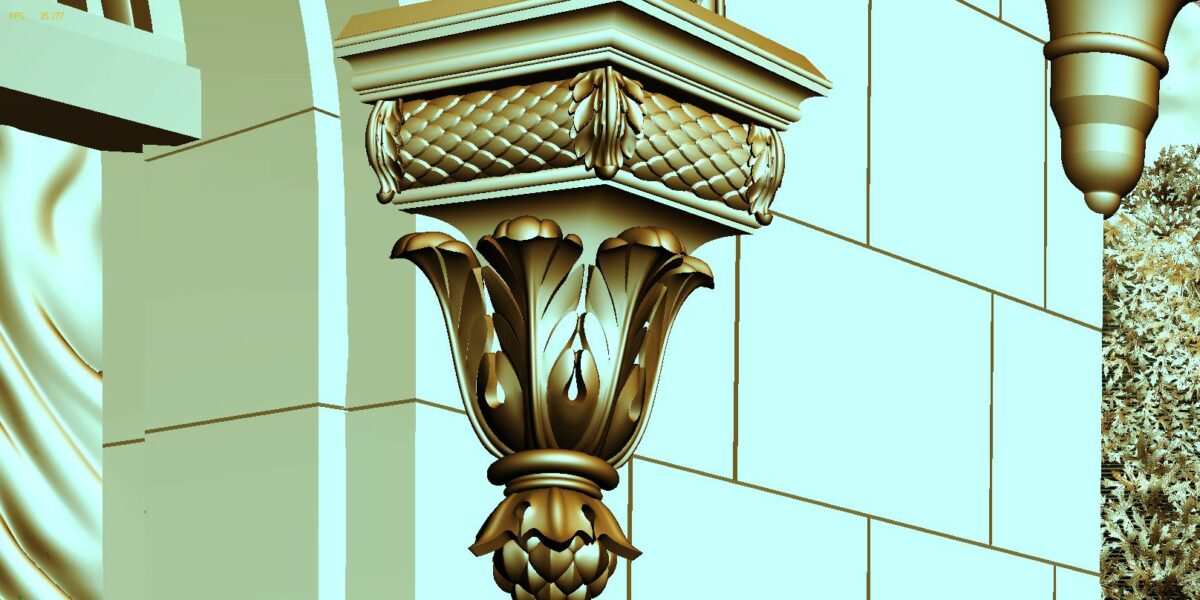
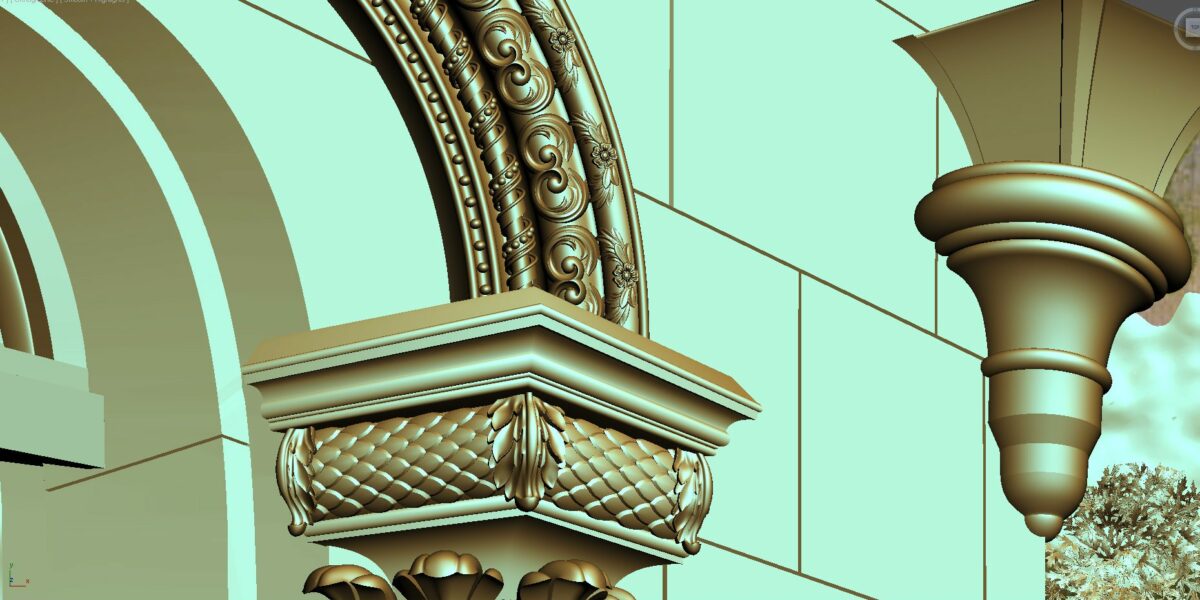
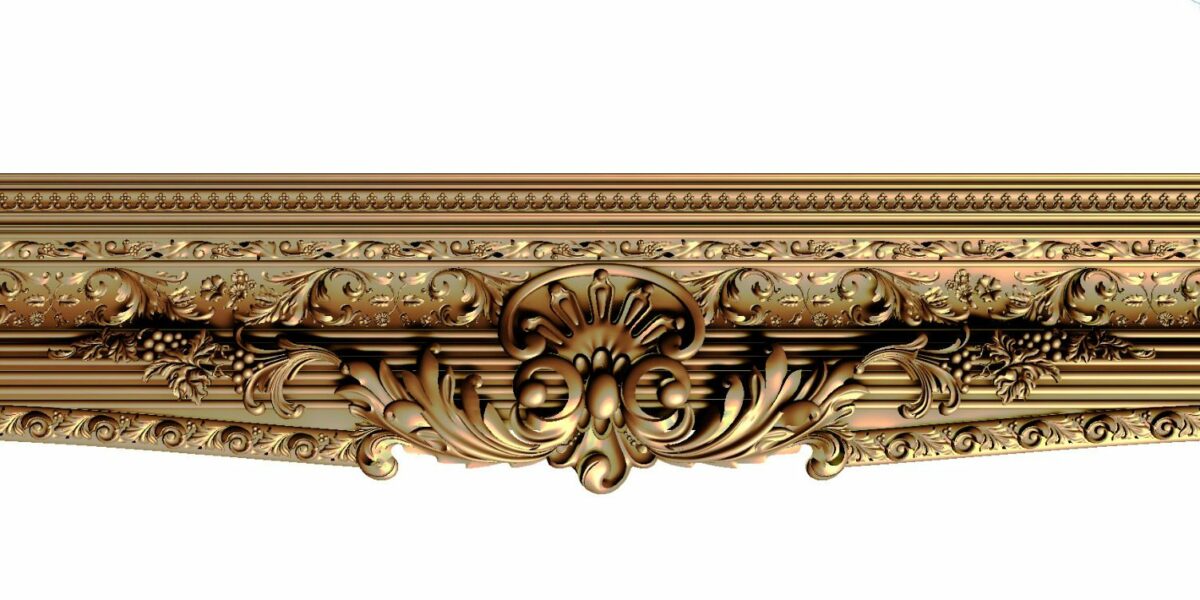
3D modeling for architectural elements

Other works

map1

Company Information

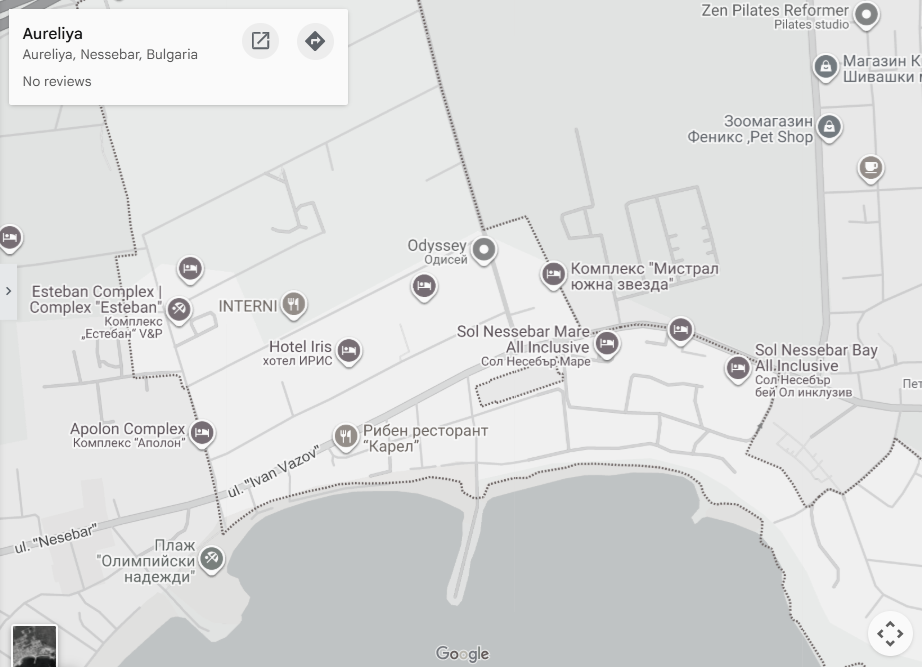
VACLAV AND PARTNERS Ltd

UIC: 203743566

Rim Street 24V, 3rd Floor
8230 Nesebar
Bulgaria

Contact us via WhatsApp: +359 887 103 320 WhatsApp

Contact us via Email: office@vaclavandpartners.com
Privacy Policy